
Claims About Anuradhapura Sacred City Development Project Are False: Minister Wasantha
30-Oct-2026.
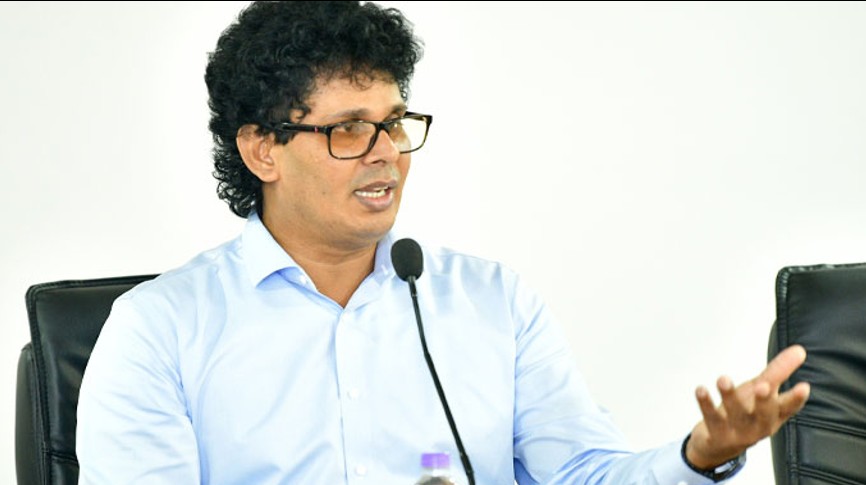
All claims being circulated regarding the Anuradhapura Sacred City Development Project are false. The objective of the project is to protect archaeological heritage while improving people's livelihoods and promoting tourism, said Wasantha Samarasinghe, Minister of Trade, Commerce, Food Security and Cooperative Development.
He made these remarks while addressing a special awareness programme for Samurdhi Development Officers titled “Praja Saviyaṭa Nava Balyak” (New Strength for Community Empowerment), organised by the Samurdhi Development Department under the Ministry of Rural Development, Social Security and Community Empowerment. The event was held on 29 October 2026 at the Anuradhapura Bhikkhu University.
Elaborating further, he said that all necessary measures to preserve Anuradhapura's historical significance and successfully implement the Sacred City Development Project were being carried out through an expert advisory committee appointed under the leadership of the District Secretary.
Archaeological ruins and evidence of civilisation dating back 3,500 years have been found beneath the ground, at a depth of 35 feet, in the ancient city of Anuradhapura. Archaeological excavations are currently being conducted to bring these remains to light.
Rumours that there were attempts to remove or damage the Ruwanwelisaya stupa and construct a new fence around it were entirely false. Under the Sacred City Plan, which has been in operation since 1981, the fence was erected solely to prevent cattle and other livestock from entering the sacred area. No restrictions have been imposed on devotees or worshippers visiting the site.
Legal action should be taken against those who incite religious sentiments and engage in false propaganda.
The project is also intended to address the problems faced by people living in areas of historical and archaeological importance. Families who are unable to construct even toilet facilities in their homes because of restrictions imposed by the Department of Archaeology will be provided with houses or appropriate compensation on a 200-acre plot of land in the Lolu Gas area and will be resettled safely. Certain parties are also attempting to spread misleading information about this resettlement programme.
Anuradhapura is one of the leading destinations in Sri Lanka for both domestic and foreign tourists. Although more than 75,000 domestic tourists visit the city daily, only 10 per cent of foreign tourists arriving in Sri Lanka visit Anuradhapura, owing to the lack of adequate accommodation and facilities.
The new development project will improve accommodation facilities, restaurants and infrastructure for tourism-related activities. Special markets and food centres will also be established to enable tourists to purchase local herbal beverages, such as iramusu (Indian sarsaparilla) and polpala (Aerva lanata), as well as fruits and vegetables.
The new urban development project is expected to generate substantial economic activity in the area. Approximately 2,000 Samurdhi beneficiary families in Anuradhapura will be helped to overcome poverty and integrated into production and commercial activities through the project.
Local products will be collected through producer cooperative societies, creating opportunities to market them domestically and internationally. Measures are being taken to preserve Anuradhapura's historical heritage, which spans more than a thousand years, while transforming the city to meet the needs of a modern economy, he said.