
Egg freezing is becoming significantly more popular in Canada
10-Nov-2026.
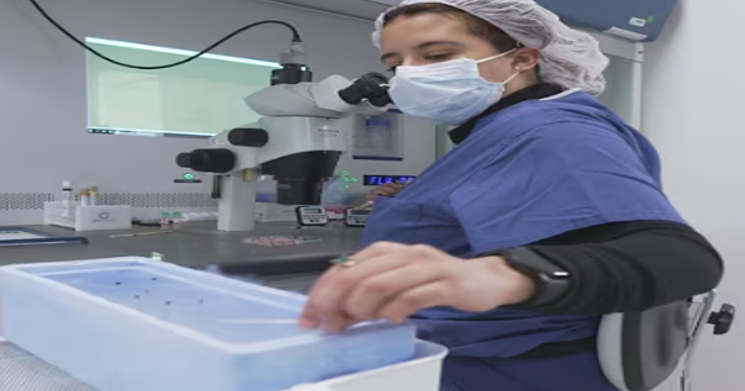
According to data from the Canadian Fertility and Andrology Society (CFAS), there were 2,663 retrieval cycles for the purpose of freezing, or banking, eggs reported in 2025. Compare that number to 2013, when there were only 217 logged. The number of banked eggs has also shot up. In 2013, some 775 eggs were stored. Last year, there were more than 22,000 reported frozen eggs.
There are plenty of reasons behind the surge, experts say, with their patients citing high costs of living, career ambitions or even a lack of a partner as motivations for preserving their fertility.
"There is definitely a rise in elective fertility preservation," CFAS president Dr. Mohamed Bedaiwy told CBC News. ("Elective" refers to procedures taking place for non-medical reasons, unlike those that take place ahead of cancer treatments that put fertility at risk, for example.)
Across Canada, people are opting to have children later, another reason behind egg freezing. In 1976, the average age of mothers at the time of birth was 26.7. By 2022, the average age at the time of delivery had climbed to 31.6, according to Statistics Canada.
But even as more people delay pregnancy, their fertile windows remain finite. A woman's fertility, marked by egg quality and quantity, declines steadily, with a noticeable shift typically occurring at 32 and a faster decline starting at age 35.